Free Your Home from Clogs: The Significance of Regular Drain Cleaning Services
Blocked drains can interrupt everyday routines and result in expensive fixes. Routine drain maintenance services serve a vital function in preserving residential plumbing systems. They not only prevent backups but also mitigate risks associated with mold and bacteria. Property owners frequently miss the indicators that signal cleaning is necessary. Comprehending these warnings and the significance of specialized services can substantially influence household care. What aspects should residents examine before arranging their next maintenance visit?
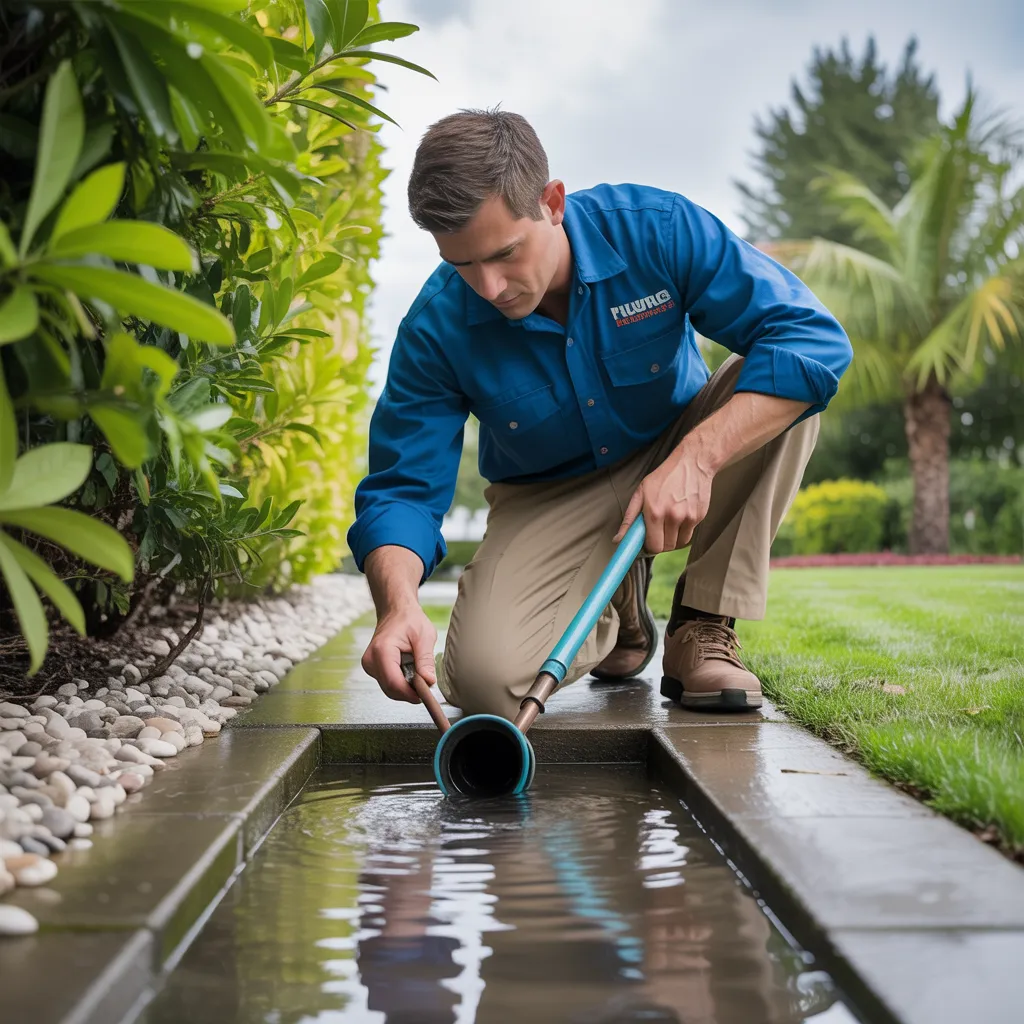
Why Consistent Drain Cleaning Is Vital for Your Home
While several homeowners may ignore the significance of regular drain cleaning, failing to perform this crucial maintenance task can lead to significant complications. Blocked drains may lead to water backups, leading to damage to plumbing systems and potential flooding. Over time, deposits from debris, grease, and soap can impede water flow, creating an environment conducive to mold and bacteria growth.
Routine drain cleaning not only stops clogs but also increases the lifespan of plumbing systems. It makes certain that waste flows efficiently, minimizing the risk of costly repairs. Moreover, clean drains help create a healthier home environment by eliminating unpleasant odors and potential health hazards linked to stagnant water. For these reasons, investing in routine drain cleaning can save homeowners from the stress and expense of emergency plumbing problems, ultimately providing peace of mind and a well-maintained home.
Common Signs Your Drains Require Cleaning Immediately
Property owners should be aware of a number of essential signals that reveal their drains necessitate immediate cleaning. Sluggish water drainage, unpleasant odors, and persistent blockages are usual signals that can indicate potential problems. Addressing these symptoms promptly can help avert additional problems and keep a sound plumbing system.
Slow Draining Water
Water draining at a sluggish pace from sinks, tubs, or showers often signals an immediate requirement for specialized drainage cleaning services. This problem typically arises from a collection of residue, such as hair, soap residue, or food particles, blocking the regular flow of guide water. Homeowners may begin to notice the situation when water takes an extended period to drain away, indicating that the plumbing system is having trouble. If left unaddressed, sluggish drainage can escalate into more serious blockages, causing potential damage and expensive fixes. Routine checks can help detect these concerns early, allowing for prompt solutions. Ultimately, recognizing the symptoms of sluggish water drainage is vital for preserving the overall health of home plumbing and guaranteeing a properly working home environment.
Unpleasant Odors Emanating
Bad odors coming from drains can be a definite sign that professional maintenance is necessary. These offensive aromas often suggest the gathering of organic matter, grease, or other debris caught in the plumbing system. When these substances start to decompose, they discharge offensive vapors that fill the air, establishing an uncomfortable environment. Homeowners may notice these odors especially in kitchens and bathrooms, where edible debris and hygiene products accumulate. Overlooking these signs can cause more serious plumbing issues, including stoppages and leaks. Periodic drain cleaning not only gets rid of these odors but also promotes better hygiene and overall functionality of the plumbing system. Tackling unpleasant smells without delay can avert further complications and assure a healthier home environment.
Regular Clogs Occurring Regularly
Persistent drain obstructions may signify the necessity for expert cleaning services. House occupants regularly deal with repeat blockages that interrupt daily tasks and generate exasperation. Such blockages can result from accumulated hair, oils, food debris, or unwanted items blocking the plumbing. Ignoring these issues can result in more severe plumbing problems, including leaks or complete blockages. Property owners must watch for sluggish drainage or bubbling noises, since these are typical signs that pipes need prompt service. Routine expert maintenance can successfully remove buildup and avoid subsequent blockages, guaranteeing efficient flow and preserving the general condition of drainage systems. Addressing these signs promptly can save homeowners from costly repairs down the line.
Major Benefits of Working With Professional Drain Cleaning Services
Employing professional drain cleaning services presents considerable perks for homeowners. By handling potential plumbing issues early, these services work to prevent costly repairs down the line. Furthermore, maintaining clean drains promotes improved hygiene standards within the home.
Avert Costly Plumbing Issues
Many homeowners underestimate the significance of regular drain maintenance, usually creating significant plumbing problems down the line. When drains are not maintained, minor clogs can grow into major blockages, leading to costly repairs and substantial damage. Professional drain cleaning services can pinpoint and tackle potential problems before they intensify, saving homeowners from the financial burden of emergency plumbing services. These specialists implement specialized tools and techniques to guarantee drains are clear and functioning properly, thereby lessening the risk of leaks, backups, and other plumbing emergencies. In addition, routine maintenance can enhance the lifespan of plumbing systems, enabling homeowners to avoid premature replacements. Overall, investing in professional drain cleaning services is a proactive measure that wards off expensive plumbing complications.
Improve Domestic Hygiene Standards
Keeping a clean and hygienic home environment is crucial for the well-being of its occupants. Professional drain cleaning services play an essential role in achieving this standard. Over time, drains collect debris, grease, and organic matter, creating ideal conditions for bacteria and mold growth. By enlisting experts, homeowners can guarantee thorough cleaning that reaches deep into the plumbing system, eliminating hidden contaminants. Regular professional interventions not only improve hygiene but also improve indoor air quality, reducing health risks associated with poor sanitation. Moreover, these services prevent unpleasant odors, contributing to a more pleasant living space. In the end, investing in professional drain cleaning cultivates a healthier home, ensuring the safety and comfort of all who reside within.
Should You Handle Drain Cleaning Yourself?
When considering whether to tackle drain cleaning as a DIY project, one must weigh the potential benefits against the risks involved. On the one hand, DIY drain cleaning can reduce costs and deliver immediate results. Homeowners may experience success through simple methods, such as utilizing a plunger or a mixture of baking soda and vinegar for minor clogs. However, the risks of undertaking this task without proper knowledge can be significant.
Poor techniques may cause further blockages or even damage to plumbing systems. Additionally, harsh chemical cleaners can pose health risks if not handled appropriately. For stubborn or severe clogs, professional services may be more reliable and safer. In the end, while DIY can be appealing for minor issues, homeowners should thoroughly consider their skill level and the complexity of the problem before proceeding. Making an informed decision can prevent extra costs and complications down the line.
How Often Should You Arrange for Drain Cleaning?
How often should property owners think about arranging drain cleaning to ensure optimal plumbing health? Specialists advise that household drain cleaning be completed no less than once per year. This forward-thinking method helps avoid obstructions and deposits that could cause more significant plumbing complications. Properties with several residents or aging plumbing systems might require more regular cleanings, possibly every six months.
In addition, certain signs, including sinks that drain slowly or recurring backups, signal that property owners should pursue professional services as soon as possible. Seasonal shifts can also influence drain performance; for example, significant rainfall may demand additional attention to outdoor drainage systems.
Is Investing in Preventive Drain Maintenance Worthwhile?
Preventative drain maintenance proves invaluable for homeowners aiming to prevent costly plumbing emergencies. By scheduling routine inspections and cleanings, property owners can identify potential issues before they develop into serious problems. This proactive strategy not only preserves money but also extends the lifespan of plumbing systems.
Clogs, buildup, and leaks are typical concerns that can disrupt daily life. Regular maintenance minimizes these risks, ensuring that drains function efficiently. Additionally, it elevates the overall health of a household by minimizing the likelihood of unpleasant smells and unsanitary conditions resulting from stagnant water.
Committing to preventive services also provides peace of mind, knowing that professional technicians are overseeing and resolving concerns promptly. At the end of the day, the advantages of preventive drain maintenance outweigh the costs, making it a prudent choice for homeowners seeking to safeguard their plumbing systems against unanticipated challenges.
Selecting the Right Plumbing Service for Your Drain Needs
Picking the right plumbing service for drain needs can substantially impact the effectiveness of preventive maintenance efforts. To begin, one should look for recommendations from trusted sources, including relatives and friends, to identify reputable services. Online reviews and ratings can deliver valuable insights into customer experiences and satisfaction levels.
Following this, it is essential to check credentials. Licensed and insured plumbers not only guarantee compliance with local standards but also provide a safeguard against potential liability. Additionally, question the range of services available; a versatile plumbing service is more capable to handle different drain issues.
Cost should also be considered, but it must not be the exclusive deciding factor. Comparing quotes from various providers can help determine reasonable pricing without affecting quality. Furthermore, effective communication and timely responses from the plumbing service can reflect their professionalism and commitment to customer satisfaction.
Often Asked Questions
What Costs Are Associated With Drain Cleaning Services?
The fees connected to drain cleaning services typically range from $100 to $300, based on factors such as severity of blockage, location, and additional services needed. Homeowners should consider these costs in their maintenance financial planning.
Does Drain Cleaning Help Prevent Future Plumbing Emergencies?
Indeed, consistent drain cleaning can prevent future plumbing emergencies. By eliminating buildup and obstructions, it lowers the risk of clogs, leaks, and backups, eventually extending the lifespan of plumbing systems and ensuring smoother operation.
What Is the Average Time for a Drain Cleaning Service?
A drain cleaning service typically takes between one and two hours, based on the extent of obstructions and the intricacy of your plumbing. Experienced plumbers can often complete the task swiftly, reducing inconvenience.
Can You Find Eco-Friendly Drain Cleaning Alternatives?
Eco-friendly drain cleaning solutions are indeed available. Such methods frequently incorporate natural ingredients, such as baking soda and vinegar, or biodegradable products, which successfully eliminate clogs while minimizing environmental impact and supporting safer home environments.
What Tools Do Professionals Use for Drain Cleaning?
Professional technicians routinely use tools such as drain snakes, hydro-jetters, and video inspection cameras. These instruments successfully resolve blockages, assess pipe conditions, and deliver efficient drainage, facilitating long-term plumbing upkeep and performance.